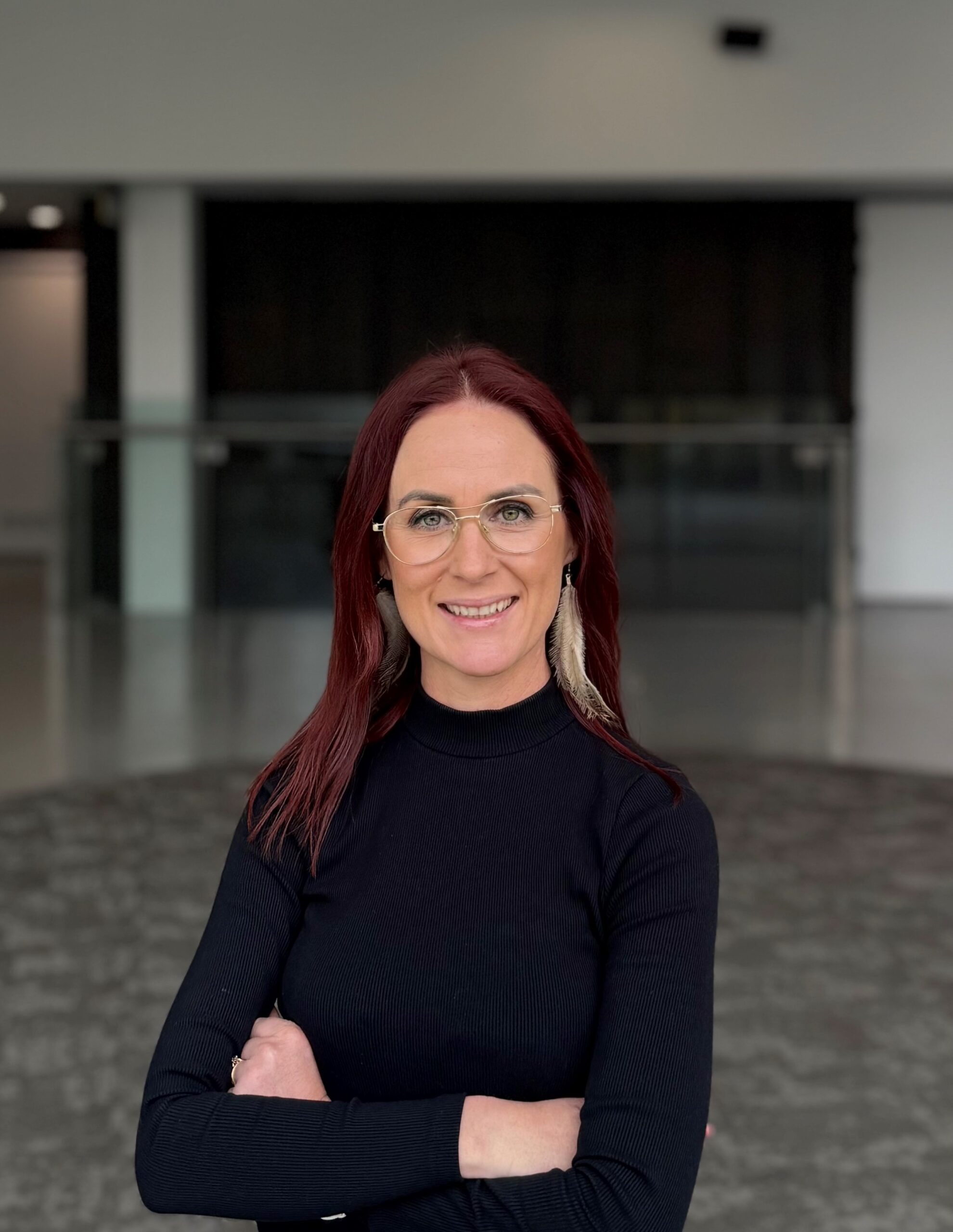
More than a decade after completing her Churchill Fellowship, Associate Professor Courtney Ryder is continuing to draw on the knowledge she gained through her Fellowship to shape research aimed at improving health outcomes for Aboriginal and Torres Strait Islander communities.
Courtney’s 2013 Churchill Fellowship explored best-practice approaches to cultural safety education in Indigenous health through simulation and community engagement.
“Reflecting on my 2013 Churchill Fellowship, it is striking how closely the focus of that work aligns with my current research program.”
Since completing her Fellowship, Courtney has completed her PhD and is now Discipline Lead for Trauma and Injury at Flinders University.
“Although my research has since evolved into the field of injury prevention and trauma, the lessons and principles from my Fellowship continue to underpin my work today.”
Her current research program focuses on embedding community-centred injury solutions into policy and practice, with the aim of reducing preventable injury-related deaths, improving long-term life outcomes and supporting Aboriginal communities to flourish.
For Courtney, there is a clear continuity between this work and the focus of her Fellowship.
“This work is grounded in many of the same principles that shaped my Churchill Fellowship, including community engagement, cultural safety, Indigenous leadership, and evidence that is responsive to local priorities.”
These principles are now informing a major new research program, ReNEW (REenvisioning iNjury EmpoWerment approaches for Aboriginal and Torres Strait Islander communities), for which Courtney has been awarded an NHMRC Emerging Leadership Level 2 Investigator Grant worth $1.64 million.
The Aboriginal-led research program aims to address system-level gaps in injury prevention and trauma care, with a focus on strengthening Indigenous data leadership and supporting community-led approaches to safer, more appropriate injury care.
Courtney describes the broader ambition of her work as moving beyond deficit-focused approaches to research that is responsive to the strengths, priorities and expertise of Aboriginal communities.
“Collectively, the program seeks to move the field beyond deficit-focused and decontextualised analyses towards research that is policy-relevant, ethically grounded, and community-led.”
The significant research investment in ReNEW reflects growing recognition of the importance of this approach to improving Aboriginal and Torres Strait Islander health and wellbeing.
For the Churchill Trust, Courtney’s journey is an example of the enduring impact of a Churchill Fellowship: the knowledge gained through international learning can continue to evolve, influence new areas of work and contribute to significant change many years after a Fellow returns home.