Diversity, Equity, Inclusion and Belonging

The Winston Churchill Trust is committed to creating an organisation where people from all backgrounds feel welcomed, respected and able to participate fully. We believe that diversity of people, experiences and ideas strengthens the Fellowship community and helps ensure the knowledge brought back to Australia reflects the breadth of our nation.

Our Diversity, Equity, Inclusion and Belonging (DEIB) Framework guides how we engage with applicants, Fellows, volunteers, staff and partners. It reflects our commitment to reducing barriers, creating inclusive opportunities and fostering a strong sense of belonging throughout the Fellowship journey.

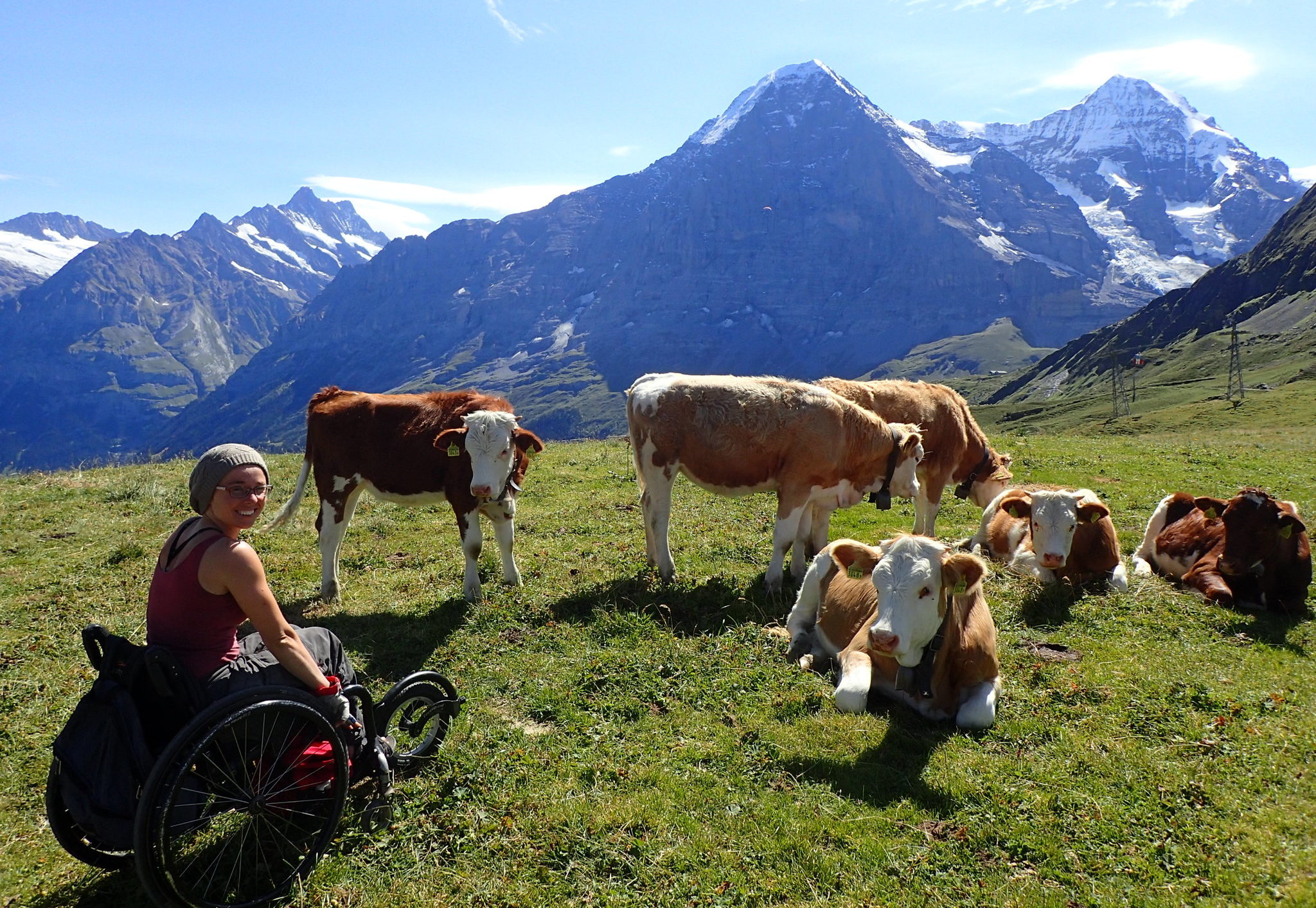
Pictured: Churchill Fellow Helen Smith


Our Commitment

The Churchill Trust is committed to:

  • Making sure our work reflects fairness and respect.
  • Reflecting the diversity of the Australian community.
  • Supporting people from underrepresented or marginalised groups.
  • Removing systemic and attitudinal barriers to participation.
  • Being mindful of Australia’s geographic diversity, including metropolitan, regional, rural and remote locations.
  • Regularly reviewing our approach based on evidence and lived experience.


What Diversity, Equity, Inclusion and Belonging Means to Us

Diversity, Equity, Inclusion and Belonging logo set


Diversity

We value the different backgrounds, experiences, perspectives and identities that people bring to the Churchill community.

Equity

We recognise that people have different needs and experiences. We aim to reduce barriers and provide equitable opportunities for participation.

Inclusion

We strive to create welcoming, accessible and culturally respectful environments where everyone can contribute and thrive.

Belonging

We foster a Fellowship community where people feel connected, respected and valued long after they complete their Fellowship travel, and they become part of our alumni community.


Our Priority Areas

Our Framework recognises that inclusion is not one-size-fits-all. We have identified a number of priority areas that help guide our work and ensure our programs continue to evolve to meet the needs of the communities we serve.

The Churchill Trust is committed to reconciliation and truth-telling. We acknowledge the strength, resilience, and leadership of Aboriginal and Torres Strait Islander peoples and seek to elevate their voices within our organisation.

We commit to four priorities:

  • Cultural safety as a foundation:
    Cultural safety is not an outcome but a continuous practice. We will embed self-reflection, respect, and cultural accountability into our leadership and policies.
  • Partnerships not paternalism:
    Actively partner with Aboriginal and Torres Strait Islander communities and knowledge holders, valuing their lived experience and cultural expertise.
  • Data sovereignty and governance:
    Respect the right of Aboriginal and Torres Strait Islander peoples to control their data, and support systems of self-determined governance.
  • Learning from and respecting Aboriginal and Torres Strait Islander knowledge and leadership:
    Incorporate knowledge systems, where feasible, into our ways of working, and recognise that culture itself is a protective factor and source of wisdom.

Why it matters:

  • We uphold our obligations under the Uluru Statement from the Heart and support a Voice, Treaty, and Truth.
  • We believe reconciliation is everyone’s responsibility.
  • We recognise the harms of erasure and exclusion, and work to address them.

Practical actions:

  • All staff will have access to ongoing cultural learning opportunities, including participation in cultural events, guest speaker sessions, and on-Country learning where appropriate.
  • Partner with Aboriginal and Torres Strait Islander peoples, Fellows, and organisations to co-develop programs.
  • Consider cultural factors when reviewing Fellowship processes.
  • Respect and integrate the data governance principles of Aboriginal and Torres Strait Islander peoples.


Alignment with Reconciliation Action Plan

Churchill Trust supports reconciliation by building strong relationships with Aboriginal and Torres Strait Islander peoples.

We commit to:

  • Listening to and learning from Aboriginal and Torres Strait Islander voices.
  • Supporting truth-telling and cultural safety.
  • Working in partnership with Aboriginal and Torres Strait Islanders and organisations.

The Churchill Trust values people of every generation. Mid-life often marks a convergence of age-based discrimination, caregiving responsibilities, and reduced opportunities for re-skilling. Inclusion means recognising that talent, insight, and learning do not stop at any age—and that inter-generational collaboration benefits everyone.

We commit to four priorities:

  • Removing age-based barriers in hiring, promotion, and training:
    Focus on skills, not date of birth, and provide targeted up-skilling where needed.
  • Supporting age-friendly work design:
    Flexible hours, phased retirement, job-sharing, and ergonomic adjustments help older staff stay engaged while transferring knowledge to younger colleagues.
  • Championing ‘age-in-place’ thinking:
    Create physical and digital environments that are safe and welcoming, from accessible meeting rooms to hybrid work technology.
  • Embedding intergenerational learning and leadership:
    Reverse mentoring, mixed-age project teams, and age-diverse succession planning enable us to harness the experience of older staff while nurturing emerging talent.

Why it matters:

  • Retention of critical skills and networks
    Older workers often hold institutional knowledge that is costly to replace.
  • Stronger innovation and decision-making
    Mixed-age teams bring a broader range of life experiences and reduce groupthink.
  • Health and social impact
    Continued, meaningful work supports both mental and physical well-being and helps combat the personal and societal costs of ageism.

Practical actions:

  • Audit job ads and performance criteria for age-coded language.
  • Pair staff in intergenerational mentoring circles.
  • Track engagement and retention by age band and report the results annually.

The Churchill Trust values the richness of Australia’s cultural diversity. We believe that inclusion requires intentional listening, respectful engagement and dismantling systemic barriers.

We commit to four priorities:

  • Inclusive leadership:
    Support pathways for culturally and linguistically diverse (CALD) leaders.
  • Language equity:
    Ensure key communications are clear and accessible to those from non-English speaking backgrounds.
  • Cultural understanding:
    Provide training and reflection opportunities for all staff.
  • Responsive practice:
    Develop policies that account for different cultural norms, obligations and challenges.

Why it matters:

  • One in three Australians was born overseas.
  • Systems built without cultural consideration can inadvertently exclude.

Practical actions:

  • Conduct language access audits.
  • Engage Fellows and communities through consultation and conversation.
  • Highlight CALD Fellow success stories.
  • Use inclusive imagery and case studies.

The Churchill Trust supports gender equity and inclusion, including support for women, men and gender-diverse people. We recognise that everyone benefits from challenging rigid gender norms.

We commit to four priorities:

  • Gender Pay Equity:
    Committed to identifying and addressing gender pay gaps.
  • Workplace flexibility:
    Support gender balance by enabling shared care and flexible roles.
  • Gender-responsive leadership:
    Create space for gender-diverse voices and decision-makers.
  • Prevention of bias:
    Train staff to recognise and reduce gendered assumptions.

Why it matters:

  • Gender equity improves outcomes across health, safety, innovation and productivity.
  • Supporting gender-diverse leadership leads to better organisational performance.

Practical actions:

  • Track and publish gender pay data.
  • Offer shared parental leave.
  • Use gender-neutral recruitment processes.
  • Celebrate women and gender-diverse Fellows.

The Churchill Trust embraces the full spectrum of gender and sexual identities. We want all people to feel safe, respected and free to be themselves.

We commit to four priorities:

  • Safety and visibility:
    Ensure LGBTIQA+ staff and Fellows are safe, seen and supported.
  • Education:
    Provide training on inclusive language and respectful behaviour.
  • Representation:
    Support LGBTIQA+ participation in leadership, research and decision-making.
  • Policy and practice:
    Review all policies for inclusiveness.

Why it matters:

  • Discrimination against LGBTIQA+ people affects their well-being and opportunities.
  • Inclusion fosters trust, belonging and improved outcomes.

Practical actions:

  • Use pronouns and gender-inclusive language.
  • Support Pride staff networks.
  • Recognise key LGBTIQA+ awareness days.
  • Provide tailored well-being and support resources.

The Churchill Trust values the wide range of ways people think, learn and communicate. We support neurodivergent inclusion through understanding, accommodation and empowerment.

We commit to three priorities:

  • Awareness and training:
    Increase organisational understanding of neurodivergence and dispel stereotypes.
  • Supportive environments:
    Provide flexible environments that cater to diverse sensory needs, processing times, and communication preferences.
  • Celebrating strengths:
    Focus on what neurodivergent people bring—creativity, pattern recognition, deep focus, and innovation.

Why it matters:

  • Neurodiversity contributes to stronger problem-solving and inclusive design.
  • Workplaces designed for neurodivergence are often better for everyone.

Practical actions:

  • Offer neurodiversity peer support.
  • Provide access to noise-cancelling tools or quiet spaces.
  • Encourage flexible hours and communication methods.

The Churchill Trust believes inclusion means everyone has access to the opportunities, environments, and support they need to thrive. We are committed to reducing barriers and supporting people with disability to participate fully in our programs and activities.

We will monitor changes in disability policy, including the NDIS and foundational supports, and update our approach where needed.

We commit to three priorities:

  • Universal design:
    Accessibility must be embedded from the beginning, not added later. Inclusion starts with listening.
  • Inclusive employment:
    Identify and remove barriers to hiring and advancement.
  • Rethinking public space:
    Advocate for inclusive public infrastructure.

Why it matters:

  • One in six Australians has a disability. Many individuals experience exclusion due to poor design, stigma, or a lack of opportunities.
  • A strengths-based approach benefits all. Everyone brings value.

Practical actions:

  • Audit digital and physical spaces.
  • Ensure accessibility and provision of support at Trust events where required.
  • Promote disability employment pathways.
  • Support staff networks for people with disabilities.

The Churchill Trust recognises that where people live can shape access to opportunity. We are committed to ensuring people in regional, remote and very remote communities can participate fully in Fellowships and Trust activities.

We commit to three priorities:

  • Equitable access:
    We will reduce geographic barriers by providing flexible pathways to participate, including virtual, hybrid and domestic Fellowship options where appropriate.
  • Accessible engagement:
    We will deliver online and hybrid engagement opportunities and support participation in Trust events, recognising the additional time, cost and logistics of travel.
  • Place-based inclusion:
    We will recognise and value the knowledge, experience and perspectives of regional and remote communities, ensuring Fellowship opportunities are relevant and accessible across all locations.

Why it matters:

  • Geographic location can limit access to networks, services and opportunities.
  • Regional and remote communities bring critical insights, innovation and lived experience that strengthen national outcomes.

Practical actions:

  • Provide virtual and hybrid information sessions, interviews and engagement opportunities.
  • Provide assistance where distance creates a barrier.
  • Offer alternative Fellowship models (Domestic, Virtual and Hybrid).
  • Ensure regional and remote representation in outreach and communications.
  • Consider location-based barriers in program design and delivery.

Supporting Participation

The Trust is committed to identifying and reducing barriers to participation wherever reasonably possible.

We recognise that inclusion looks different for everyone. Support may include flexible communication, accessible information, online engagement, alternative Fellowship pathways, consideration of individual circumstances, or other practical adjustments that help people participate fully in the Fellowship and the broader Churchill community.

Examples of support may include:

  • flexible interview arrangements, including online interviews where appropriate
  • accessible communication and information formats
  • Auslan interpreting and other communication supports
  • technical assistance during the application process
  • support for carers or companions during Fellowship travel
  • accessible transport or travel arrangements
  • support to participate in Trust events and Fellowship activities.

Applicants and Fellows are encouraged to discuss any accessibility or support requirements with the Trust as early as possible so we can work together to identify appropriate solutions.


Listening, Learning and Improving

Inclusion is an ongoing journey, not a destination.

We know we will not always have all the answers, and we are committed to listening to applicants, Fellows, volunteers and the wider community. Their experiences help us understand where barriers exist, identify opportunities for improvement and strengthen the way we support people to engage with the Trust.

This commitment also extends to our broader work, including the development of our Reconciliation Action Plan, consideration of Indigenous Cultural and Intellectual Property (ICIP) principles, and other initiatives that promote equitable participation and respectful engagement.


A Living Framework

Community expectations, language and best practice continue to evolve.

Our Diversity, Equity, Inclusion and Belonging Framework is a living document that will be reviewed and updated over time. As we continue to learn from lived experience, emerging research and community feedback, we will adapt our approach to ensure it remains relevant, practical and reflective of the communities we serve.

Our commitment is not to have all the answers before taking action, it is to start and continue listen, learn and improve how we do things.


Use the categories below to filter the search results: